






The biggest mistake hosts will make during the 2026 World Cup and how to avoid leaving thousands on the table.
The 2026 FIFA World Cup is coming to the United States, and hosts everywhere are seeing headlines about $13,000 to $17,000 Airbnb stays near stadiums.
But here is what we want you to understand. This is not about chasing viral pricing. It is about strategic positioning.
The hosts who win during massive events like the World Cup are not the emotional pricers. They are the prepared ones.
The World Cup is not one weekend. It includes group stage matches, quarterfinals, semifinals, finals, fans traveling between cities, and extended summer vacations layered on top. Hosts often price for the final match only, which leaves money on the table. Instead, treat the World Cup like a seasonal high-demand window similar to holidays or festival season.
Map the full tournament calendar. Identify clusters of games. Expect arrivals before match days and departures after. Demand moves in waves, and your pricing should reflect that.
It is also critical to understand fan behavior. This is not traditional leisure travel. Fans often travel in groups, split costs, and prioritize proximity and logistics. Many stay longer than just match day. Guests are not just buying a bed. They are buying convenience.
Make sure your listing highlights sleeping capacity, bed layout, parking availability, access to public transportation, walkability to stadiums, and common spaces where groups can gather. Position intentionally for group stays.
Those $17,000 listings may grab headlines, but smart hosts do not rely on one extreme rate. Instead, use tiered pricing. Charge your highest rates for match days and peak arrival nights. Set slightly lower rates for surrounding days to encourage longer stays. Maintain strong pricing for non-match weekends during the tournament window. The goal is maximum total revenue across the entire event window, not one dramatic spike.
There are three major mistakes hosts will make. The first is being the first one sold out. If you are fully booked too early, you likely priced too low. The second is treating the World Cup like one big weekend instead of a rolling, multi-week opportunity. The third is ignoring operations. Traffic gridlock, cleaner delays, and vendor burnout are real risks during large events. Higher rates demand operational alignment so that your reviews remain strong.
Even if you are not in a host city, these principles still apply. College football, Formula 1, conventions, festivals, and concerts all create predictable demand windows. The key is understanding timing, tracking booking pace daily, adjusting minimum stays strategically, and allowing demand to reveal itself before locking in pricing decisions.
The World Cup is historic, but the hosts who benefit most will not be lucky. They will be strategic.
Download a transcript of this episode.
Resources:
- Thanks for Visiting Bootcamp: Join the waitlist!
- #STRShareSunday: @HometownHavenTroy
- Submit your property for our next #STRShareSunday at strshare.com
#STRShareSunday

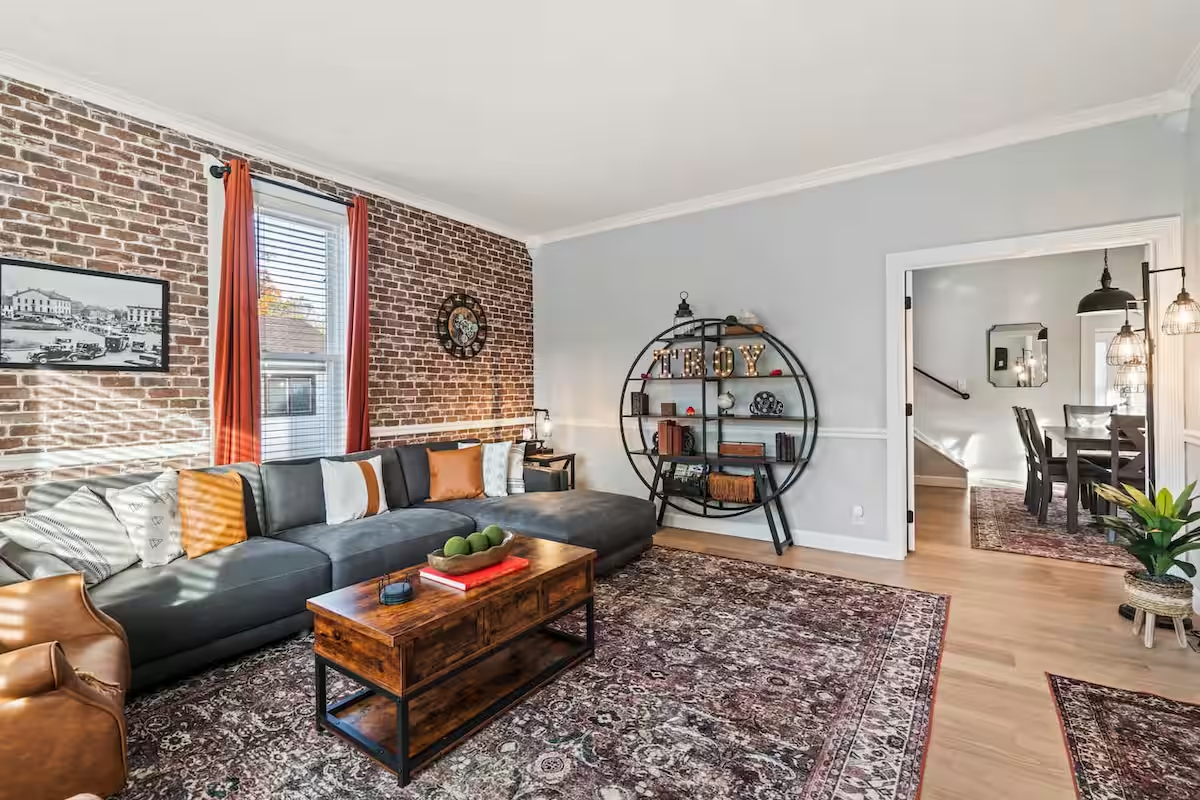

This Troy, Ohio home is such a great example of what happens when a thoughtful owner really leans into care and intention. Denise, a client we work with one-on-one, has poured so much heart into creating a space that feels both elevated and genuinely livable, from the inviting front porch and fenced backyard with a fire pit to the family-friendly setup and beautifully stocked kitchen. It’s historic, cozy, and quietly upscale in a way that makes sense for both families and work travelers, and every detail reflects how seriously Denise takes the guest experience. Properties like this remind us that great hosting isn’t about doing more—it’s about doing the right things, consistently and with purpose.






show comments
Hide comments