



The best short-term rental properties we know of never went on the market. They went to a host who already had a relationship with the owner, which meant no competing buyers, no bidding war, and no waiting on Zillow to show them what was available. If you are working out how to find Airbnb properties that will perform, that is the part most hosts miss, because the hosts who grow their portfolios well are not finding properties the same way everyone else is.
That is not luck. It is a strategy, and you can start building it with what you are already doing. We have been hosting for over a decade, built a multi-million dollar portfolio, and work with hundreds of hosts inside our coaching program, Strategic Host, who collectively generate over two million dollars in monthly bookings. One of the properties we own together came to us exactly this way, and it is where we are starting.
In this post:
- Method 1: Co-Host the Property Before You Buy It
- Why an Off-Market Sale Works for Everyone
- Method 2: Be Visible and Vocal About What You Want
- Method 3: Join Facebook Groups and Online Communities
- Method 4: Hire Experts Who Know Short-Term Rentals
- The Deal Finds the Host Who Is Already There
Method 1: Co-Host the Property Before You Buy It
Co-hosting means managing someone else’s short-term rental on their behalf, which covers the listing, the pricing, the guests, and the day-to-day operations. If you want to know how to find Airbnb properties before anyone else knows they exist, co-hosting is the most direct route we have seen, because you are inside the property long before it is ever for sale.
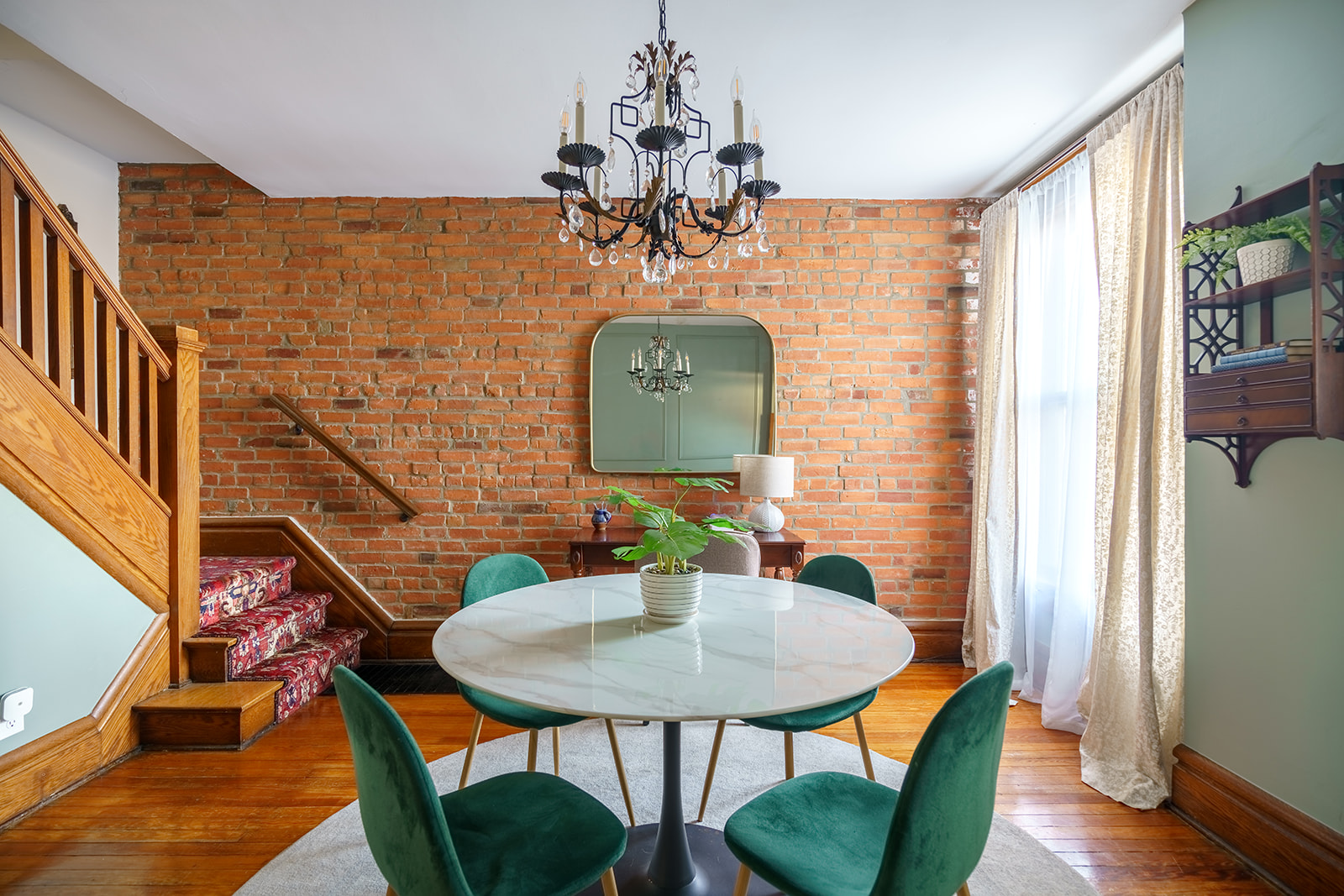
The Audrey is a townhome in Columbus that we own together. Before we bought it, Sarah was co-hosting it for the owner, who we will call Betty. Betty had bought it as her own home, her family had lived there, and she cared about it, but her previous co-host had been coasting. When Sarah walked in, she found mice, furniture that had not been touched, and a cleaner who was leaving old trash liners in the bins for the next guest. She could have walked away, but she saw the bones of the property, the neighborhood, and the location, and she took it on.
Sarah required Betty to reinvest in a deep clean, an exterminator, and a furniture refresh before she would take on the property. Those were conditions, not suggestions, because Sarah’s name was going on it. Once The Audrey was where it needed to be, the numbers went up and stayed up, and Betty got to see what her property was capable of when it was run correctly. That is what built the trust between them.
When Betty decided to move out of state and sell, she did not call a listing agent. She called Sarah. Before Betty did anything else, Sarah asked whether she would consider selling to her before it went on the market, and Betty said she would love nothing more.
Annette was in the moment Sarah called. She knew the property, because she had been there many times helping with hosting and shooting content, and she knew the neighborhood. With a shared-wall townhome, knowing the neighbors matters enormously, and these neighbors had never given Sarah any trouble. They had celebrated what she was doing there. We were not buying into an unknown. We were buying something we already understood.
That is the co-hosting advantage. When you co-host a property well, you learn it inside and out, including the revenue, the expenses, what guests love, what needs work, and the owner. You know the numbers before you ever make an offer, and when that owner is ready to sell, you are not a stranger. You are the obvious buyer.
Keep clean records from the day you take a property on. A property management system like Hostfully keeps the booking history, guest messages, and calendar in one place, so you have a real track record to point to when the conversation about selling comes up. If you are not co-hosting yet, start with our guide on how to start an Airbnb co-hosting business in 2026.
Here is the part hosts miss. You do not wait for the owner to come to you. When you sense an owner might be moving on, you ask. Sarah asked, and that is why we got The Audrey. Hosts who hesitate to have that conversation lose properties to hosts who did not.

Why an Off-Market Sale Works for Everyone
An off-market sale between an owner and the host who already runs the property is a win for both sides. The owner skips marketing costs and agent fees and avoids months of uncertainty about whether the right buyer will show up. The buyer skips the bidding war and buys a property with a known track record and known neighbors.
Because both parties already trust each other, the transaction itself can be much simpler. You can bring in a real estate attorney on a flat fee to handle the paperwork and the transfer, and the handoff is easier because the person buying is the person who has been running it all along. Rules for private sales vary by state, so talk with a local attorney before you structure one.
Method 2: Be Visible and Vocal About What You Want
The second way to find Airbnb properties off-market is to make sure people know you are looking. Betty found Sarah on Instagram before she ever met her in person. Sarah was using the geotag feature to show up in local Columbus feeds, and she was posting about short-term rentals, showing her properties, and talking about hosting. Betty saw it, reached out, and that relationship eventually became The Audrey. The deal came to Sarah because she had made herself findable.
Being visible on social media means being specific. Sarah was not posting pretty photos of properties. She was showing the work, including turnovers, inspections, and the reasoning behind her hosting decisions. That kind of content tells a property owner that this person knows what they are doing and could be trusted with their home. A follower count did not make Betty reach out. Seeing Sarah’s competence in her feed did.
Being vocal goes beyond posting online. Show up at real estate networking events, make sure the brokerages in your target market know your name and what you are looking for, and tell people at industry events and community gatherings. The more people who know you want a specific type of property in a specific area, the more likely someone in their network surfaces one before it hits a listing site. If nobody in your market knows you are looking, nobody is going to call you when something comes up.
Finding the right property is only half of it. Making sure it performs once you own it is the other half, and that starts before you make an offer. Download our free Know Your Numbers resource so you know which numbers to look at on any property you are considering.
Method 3: Join Facebook Groups and Online Communities
Join the neighborhood Facebook groups in the areas where you want to buy, and participate in them. When the time is right, let people know you are an investor looking for property there. Homeowners who are thinking about selling will often float the idea in a neighborhood group before they ever call a realtor.
Join local short-term rental groups too. Hosts who are burning out, relocating, or ready to exit the business often post in these groups before they list anywhere, and if you are active there, you see those posts the moment they go up, ahead of every buyer who is waiting on Zillow.
Conversations happen in these groups that do not happen anywhere else. Someone mentions a neighbor who has been talking about selling, or knows an owner who has been struggling with their current co-host, which is exactly how Method 1 starts. That information only reaches the people who are already in those communities.

Method 4: Hire Experts Who Know Short-Term Rentals
A property is likely one of the largest investments you will make, so work with people who know this business. A generalist real estate agent can find you a house. An agent who understands short-term rental investing can find you a property that performs, and those are very different things.
An investment-focused agent should be able to tell you whether a property makes sense as a short-term rental before you fall in love with it. That means knowing whether the local STR regulations are stable, what the comp set (the competing listings guests compare you against) looks like in that neighborhood, whether guests book the area for something specific and this property delivers on it, and whether it can be permitted at all. A generalist agent does not know to ask those questions. Regulations and permitting vary by city and county, so verify them with your local authority before you buy.
Beyond your agent, data tools like STR Insights are built for investors in this space. They help you see which markets are performing, which amenities drive revenue in a specific area, and what demand looks like before you commit, so you are looking at what guests in that market book and what they pay instead of going on a gut feeling. A cheap deal in a weak market is not an opportunity. A well-priced property in a strong market with the right amenities is, and the right data and the right agent help you tell the difference before you close, not after.
The Deal Finds the Host Who Is Already There
The properties nobody else knows about are almost always sitting inside a relationship that has already been built. That is the real answer to how to find Airbnb properties worth owning. Co-host, make yourself visible, show up in the right communities, and work with people who understand what you are trying to do. You do not have to wait for Zillow to tell you what is available. Build the relationships, and the deals come to you.
When one does, know your numbers before you say yes. Inside Strategic Host, this is the work we do with our private clients, helping them get more nights booked, charge what their property is worth, and stop leaving money on the table.
The place to start is our free Know Your Numbers resource.






show comments
HIDE comments