




Thinking about starting an Airbnb Co-Hosting business? Read this first.
Make money Airbnb co-host is one of the fastest ways to step into short term rentals without buying property. But most co-hosts who try to scale end up exhausted, confused, and broke long before they ever hit their income goals. It is absolutely possible to generate serious revenue, but only if you treat it like a real business instead of a side favor.
If you are a high earning professional who wants to grow income, build a portfolio, or test hosting before buying, co-hosting can be your shortcut. You get the cash flow and experience without the down payment, the mortgage, or the rehab budget. You can learn the ropes of hospitality while using someone else’s asset.
But here is the catch. Say yes to the wrong owners, undercharge, or build without systems and the math stops working fast. A successful operation requires more than just hospitality skills.
You need to establish boundaries and operational standards from day one. Let’s walk through how to set this up in a way that pays you well, supports owners, and protects your time.
Want to turn co-hosting into a real revenue stream instead of a burnout side hustle? Join our waitlist to be first in line for upcoming bootcamps, workshops, and trainings designed to help you price correctly, scale sustainably, and run your co-host business like a CEO. Get on the list here: https://www.thanksforvisiting.com/waitlist
- Why Most Airbnb Co-Hosts Stay Broke
- The Fast Track Trap: Saying Yes Too Fast
- Build A Brand Before You Take Another Property
- Stop Calling Yourself A Co-Host: You Are An Asset Manager
- Know Your Numbers Or Stay Stuck
- How To Price Yourself So You Actually Make Money Airbnb Co-Host
- Use Tech Wisely So Your Margins Stay Healthy
- Structure Your Co-Host Agreements So You Stay Protected
- Think Like A CEO, Not A Customer Support Agent
- Common Questions About Co-Hosting Income
- Grow Your Income Across Skills, Not Just Doors
- Conclusion
Why Most Airbnb Co-Hosts Stay Broke
The biggest problem is not a lack of opportunity. It is saying yes to every opportunity that shows up. Many new managers operate from a place of scarcity.
The first property owner messages you and your brain goes straight to, “Finally. Someone wants to hire me.” You say yes before you even ask basic questions like, “Will this place actually perform?”
You might also fail to ask, “Does this owner match how I like to work?” Do that a few times and suddenly you are managing ten or more doors. You end up answering messages at all hours and dealing with cleaners and maintenance.
You are left wondering why the money feels thin despite the constant activity. You did not build a business. You built a stressful job.
Pet-friendly listings consistently outperform in many markets — and co-hosts who know how to manage them well become wildly valuable to owners. Download our Free Pet-Friendly Checklist to learn exactly how to attract great pet guests, protect properties, and turn furry stays into five-star reviews. Grab it here: https://thanksforvisiting.com/petfriendly
The Fast Track Trap: Saying Yes Too Fast
The first trap looks like growth, but it is actually chaos. Every new property feels like progress. More listings mean more owners and more potential revenue.
But without filters and a plan, “more” just means more problems. A lack of criteria will fill your portfolio with headaches rather than profits. Here are early signs you are in the fast track trap:
- You have no written criteria for the kind of listings you will take.
- Owners text you at all hours and expect instant replies.
- You never looked at demand or competition before saying yes.
- You accepted the owner’s suggested rate or cut instead of running your numbers.
This is how co-hosts end up busy and broke. Every door has costs in time, energy, and support. Not every door is worth that cost.
To avoid this, you need to spot the difference between a good partner and a draining one. Use this table to spot red flags early.
| Owner Green Flags | Owner Red Flags |
|---|---|
| Treats the property as a business investment | Has deep emotional attachment to every item |
| Trusts your pricing and operational expertise | Constantly second-guesses rates and decisions |
| Has a budget for maintenance and upgrades | Refuses to replace broken or worn-out amenities |
| Respects business hours and communication channels | Texts late at night for non-emergencies |
Build A Brand Before You Take Another Property
Here is the part most new co-hosts skip. You need a brand and a clear point of view before you scale. Your brand tells people what you stand for.
Your brand is more than a logo. It is your answer to questions like:
- Do you focus on high end stays or simple, comfortable places that cash flow?
- Do you prefer urban, suburban, or vacation markets?
- Are you kid friendly, pet friendly, luxury, corporate, or something else?
- What kind of owner personality is a hard no for you?
Even the simple act of sketching out a basic site and business name will force you to think this through. That is where property management tools help you look and feel like a business from day one.
Invest in property management software like Guesty or Your Porter to help streamline operations. These tools allow you to present yourself as a serious partner. You are not just someone “helping out” with messages; you are a professional.
A strong brand also creates trust with guests before they even book. It signals that the property is managed by pros, not amateurs.
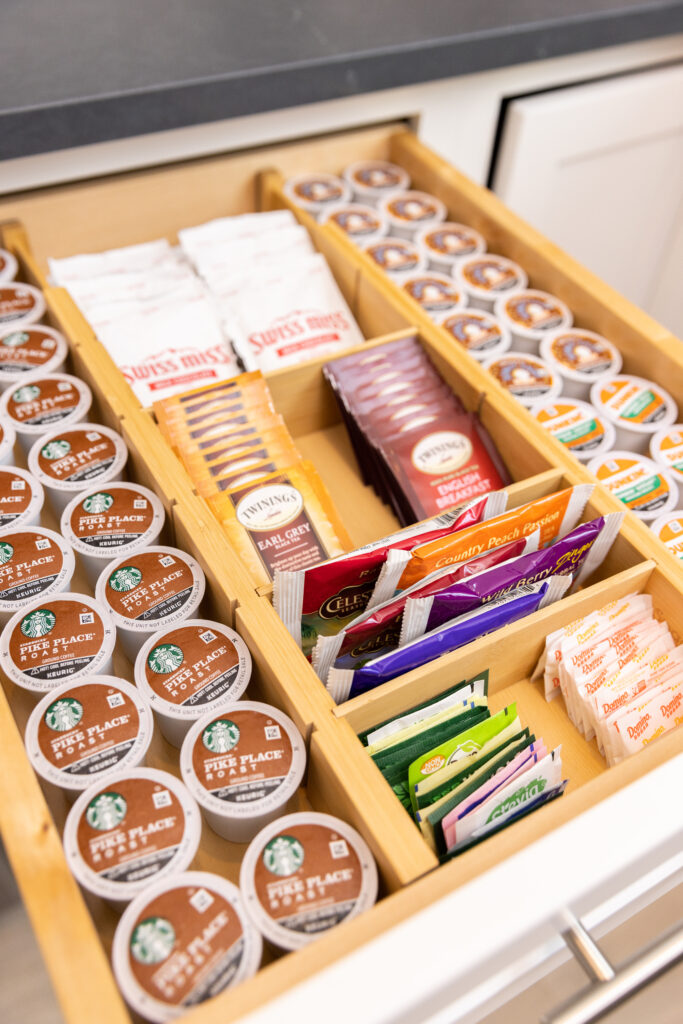
For example, one element of our brand standards is a stocked, lux coffee bar in each property. Learn more here: https://thanksforvisiting.com/ultimate-airbnb-coffee-station/
Stop Calling Yourself A Co-Host: You Are An Asset Manager
This single mental shift can change how you price, sell, and show up. A “co-host” sounds like a helper. An “asset manager” sounds like someone who manages serious investments.
Property owners are not handing you a hobby. They are handing you an asset that may be worth hundreds of thousands of dollars. Your work either grows that asset or slowly kills it.
Start asking questions like a real asset manager:
- What does success look like for this property over the next 12 months?
- What profit per month will keep this owner happy and coming back?
- What does this place need in design, pricing, and operations to hit those targets?
That is a different posture than, “Sure, I will respond to guests and set your cleaner schedule.” You must focus on return on investment.
Owners are looking for yield, not just a clean house. Speak the language of ROI and you will attract investors, not just homeowners.
Know Your Numbers Or Stay Stuck
If you want this to fund your lifestyle and future deals, numbers come first. Many co-hosts can tell you how many five star reviews they have. Yet they have no idea what their actual profit per door is.
You cannot make money Airbnb co-host if you treat revenue as a mystery. At minimum you need to know, for each listing:
- Average nightly rate over the last three months.
- Occupancy rate by month and by season.
- Gross revenue by month.
- Your commission dollars by month.
- Your true hours worked on that listing.
Do that math and some hard truths pop out fast. You may have doors that “look” successful because they are always booked. But after you factor in hours, software, and stress, they are barely paying you.
Set Owner And Co-Host Profit Targets
You want win win partnerships, not lopsided deals where the owner makes money and you do all the heavy lifting for scraps. Create a basic target for each property:
- Owner profit goal after cleaning fees, utilities, taxes, and your cut.
- Your monthly profit goal from that listing based on a clear rate and scope.
From there, your job is to design revenue management and guest experience that hit those goals. Do not just settle for being helpful.
How To Price Yourself So You Actually Make Money Airbnb Co-Host
The harsh truth is that undercharging is the biggest reason talented co-hosts walk away burnt out. Many people cut their rate just to land that first door. They say yes to 8 percent or 10 percent and promise the moon.
On platforms like Airbnb Community Center, experienced co-hosts report that they charge around 10 to 20 percent of booking revenue. Even that can be low if you are handling full service management and setup.
Yet you still see co-hosts taking 8 percent for doing all messaging, vendor coordination, emergency calls, and inventory. They even handle furnishing and launch support for free. At that rate, you will never pay yourself well for your time.
What The Market Actually Pays
Different sources show different ranges, but many seasoned co-hosts and managers in the United States charge higher. A rate between 20 and 30 percent for full management is standard, depending on what is included.
If this sounds familiar, do not miss Host Coach Podcast Episode 26 where Nancy Paige Robinson shares insights. She explains how co-hosts can earn 10 to 40 percent of stay revenue. She breaks down how stepping in as the operations partner turns this into real income.
Here is a simple look at what different rates can mean on a property that earns 4,000 dollars per month before your commission:
| Commission Rate | Your Monthly Revenue | Comment |
|---|---|---|
| 8 percent | 320 dollars | Too low for full service work in most markets |
| 15 percent | 600 dollars | Better, but can still be tight if you handle everything |
| 25 percent | 1,000 dollars | More realistic for full service co-hosting |
| 30 percent | 1,200 dollars | Common for high touch, high performance management |
Once you say yes to a low percentage, it is very hard to go back later and triple your rate. Owners feel anchored to your original price. Even if you add more responsibilities, they will resist the increase.
Define What Is Included So You Do Not Work For Free
Your pricing is only half the story. You also need a crystal clear scope of work.
Make a list of every single task you touch for a listing in a normal month. Things like:
- Daily guest messaging.
- Coordinating cleanings and inspections.
- Managing maintenance requests and vendors.
- Ordering and stocking supplies.
- Handling listing updates and pricing changes.
- Monthly reporting to owners.
Then, define what is extra and billed as a setup or project fee. For example:
- Full design and furnishing.
- On site project management of a renovation.
- Building a brand new listing from scratch.
- Custom photos, videos, or local guidebooks.
This keeps your day to day management work clean. It guarantees your extra efforts are paid fairly, instead of becoming invisible free labor.
Use Tech Wisely So Your Margins Stay Healthy
Tech can either protect your profit or slowly eat it up. Many co-hosts hear about the latest messaging app, pricing app, and cleaning app and sign up for everything.
Then they are paying five different subscriptions and still doing tasks by hand. They do this because they never took time to learn each tool. This is a quiet profit killer.
The smarter way is to add one key piece of software at a time. Learn it well, and only stack another tool when you are using the first one fully.
Your Core Tech Stack As A Co-Host
You want a core setup that covers at least four things:
- Centralized calendar and bookings.
- Guest messaging and templates.
- Owner reporting and payouts.
- Connections to dynamic pricing and cleaning tools.
Invest in property management software like Guesty, Your Porter, or co-host friendly tools like Hospitable as your central hub. From there you can plug in tools such as Price Labs to help automate and improve pricing based on demand.
These tools save you hours of manual work every week. Once you are comfortable, set a calendar block every week. Use this time to look at reports and tweak operations based on data instead of hunches.
Structure Your Co-Host Agreements So You Stay Protected
It is easy to skip the boring legal part when you are excited about new income. But that contract is what keeps relationships clear and protects your future cash flow.
You can also explore Airbnb’s Hosting Services landing page to learn how they describe different services. Seeing how they define cleaning versus full service management helps you name your own offers.
Airbnb explains that an Airbnb Co Host is someone who helps an owner manage a listing and guests. With the 2023 Summer Release, owners can control what co-hosts can see and split payouts on platform. That gives you more options for clean, trackable payments.
Always Use A Written Agreement Before You Touch A Listing
Do not add a co-host to your listing or accept an invite as a co-host without a clear, signed agreement in place. This should outline your services, your percentage, and any setup fees. It must also explain how expenses work and how either side can end the partnership.
Podcast conversations like this one from STR Data Lab highlight how data and agreements go hand in hand. Clear expectations let you make confident decisions instead of emotional ones.
You can also explore platforms such as Cohostmarket to see how other managers describe their offers. Browsing profiles, reviews, and services gives you more language and ideas for your own pitch.
Your agreement is your safety net. It defines liability for damages and sets spending limits for repairs.
Get Discovered As A High Value Co-Host
Once your brand, pricing, and contracts are clear, the next step is smart visibility. You do not need hundreds of leads. You need the right owners who value your time and understand your role.
If you are already a host, you can fill out an application to join the Airbnb Co Host Network and show your services on platform. You will need to check requirements and meet criteria first, which is a strong sign to owners that you know what you are doing.
You can also add trusted people to help manage your own listings once your systems grow. You do this by going to your listings dashboard and inviting a co-host. Study that flow so you can walk owners through it during sales calls.
Use Communities To Learn Faster
You do not have to guess your way through co-hosting. Use spaces like r/airbnb_hosts and the Airbnb Community Center to read real conversations. You will see real problems and learn what separates great managers from average ones.
Reading other hosts’ stories and numbers gives you better benchmarks. You can see what people charge, what services they offer, and what complaints come up again and again.
The more grounded you are in how hosting actually works on a daily basis, the more confidently you can present your services as the solution. Owners want an expert who has seen it all.
Think Like A CEO, Not A Customer Support Agent
The biggest jump in your income will come from shifting how you spend your week. Most struggling co-hosts live inside their inboxes. Their days vanish into message threads, last minute favors, and minor issues.
To really make money Airbnb co-host, you need at least one day each week that is free of guest and owner communication. This time is for working on your business, not in it.
That might mean:
- Reviewing financials for every door you manage.
- Adjusting pricing, minimum nights, and rules based on recent performance.
- Documenting your processes so someone else can run them later.
- Finding and training a virtual assistant or on site runner.
Every standard operating procedure you write moves you closer to freedom. Every system you document builds a business that pays you without you owning every single task.
Consider hiring a Virtual Assistant to handle routine messages. This frees your brain to focus on acquisition and owner relationships.
Common Questions About Co-Hosting Income
Do I need a real estate license to be an Airbnb co-host?
This depends heavily on your location and local laws. In many areas, managing short-term rentals under 30 days does not require a license, but managing long-term rentals does. Always check your state’s property management regulations to stay compliant.
Who pays for the cleaning fees?
The guest typically pays the cleaning fee as part of their booking total. This money flows to the owner (or you, if you split payouts) and is then paid to the cleaner. You should not be paying cleaners out of your management commission.
Can I co-host properties in a different city or state?
Yes, remote co-hosting is very common. However, you must have a reliable team on the ground, including cleaners and maintenance pros. You cannot effectively manage a remote property without trusted eyes and ears on site.
How do I find my first client?
Start with your personal network. Tell everyone you know that you are managing short-term rentals. Many people own investment properties but hate the daily work, and they might be your first “yes”.
Grow Your Income Across Skills, Not Just Doors
Once your co-host side is working, you will see new skills that can be used in other areas. You will know how to structure deals, handle guests, market properties, and analyze revenue.
Some investors use co-hosting as part of a bigger plan to fund their first property, then their next. Others stack content skills on top. They learn how to make money from a podcast, or they build an audience by teaching hosting strategies.
Digital income ideas can run beside your co-host work too. For example, you might teach other new hosts through a blog and make money from sponsorships or courses. Some people even turn random skills and ideas into extra cash, like content built around ways to make money from surprising things they already have.
The main point is this. Co-hosting gives you cash flow and proof of skill that can support a bigger investing and business plan. It is a starting line, not the finish.
Conclusion
Make money Airbnb co-host is not about landing the most doors in the shortest amount of time. It is about building a stable, data backed business that pays you fairly to manage someone else’s most valuable asset.
If you filter owners through your brand and price yourself at a real market rate, you build sustainability. When you use software wisely and spend real time on your numbers, your co-host income stops feeling fragile. You will step into calls knowing who you serve, what you charge, and what results you aim for.
And that is where the freedom lives. You are no longer just “helping with Airbnb.” You are running an asset management business that can support your life, fund future deals, and grow year after year without grinding you into the ground.
Data over drama. Systems over hustle. The more you treat this as a real business now, the more it will pay you later.
Keep Learning with Us
Your hosting journey doesn’t stop here! 🎉 Whether you’re looking for the tools we personally use to run our rentals or want to dive deeper into strategies that make hosting more profitable and enjoyable, we’ve got you covered. Head over to Thanks For Visiting to learn more and explore our favorite trusted tools, free resources, and next steps for growing your hosting business.
Happy Hosting!






show comments
HIDE comments