





Steve Marquis used data, family-friendly positioning, and smart pricing to outperform the market without chasing a full calendar.
Steve Marquis is not a “hope it works out” kind of host.
Before he bought his first short-term rental, he was running seven or eight pro formas a day. He had been a teacher, then became a real estate agent in the greater Cincinnati area, helping investors buy properties. He had looked at long-term rentals, but quickly realized he did not have the stomach for that model.
So he started studying short-term rentals.
At first, he looked at markets he personally loved, including places like Hilton Head. But the numbers did not make sense. Properties were expensive, and profitability felt harder to justify.
Then he shifted his thinking.
Instead of asking, “Where do I want to vacation?” he asked, “Where is there opportunity?”
That brought him back to Gulf Shores, Alabama, a place he had visited growing up.
Choosing the Right Market
Steve saw something in Gulf Shores.
The market had demand, beach access, and tourism momentum, but many listings still felt like mom-and-pop rentals. That gave him room to come in with stronger hospitality, better design, better positioning, and a more strategic approach.
After months of analysis, he bought his first property at the end of 2023.
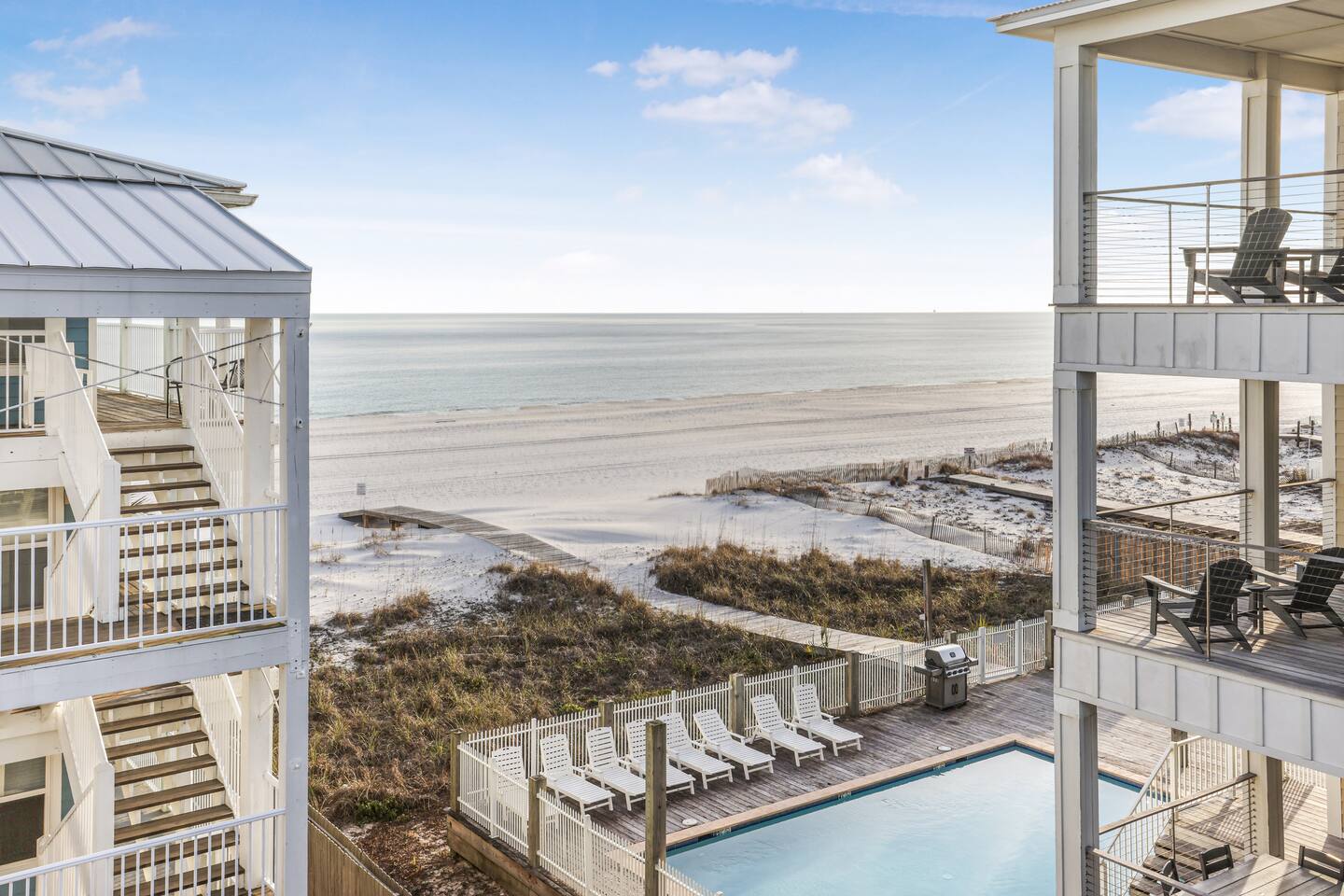
It was the beach condo Sarah and Annette later stayed in: a two-bedroom, one-bath, roughly 700-square-foot condo with no elevator and a modest pool.
On paper, that might not sound like a high-performing property.
But it had one major advantage.
Guests could walk down the steps and be at the beach.
Turning a Basic Beach Condo Into a Stronger Product
When Steve and his wife bought the first condo, the design was exactly what many beach rentals look like: generic coastal decor, lots of beachy Hobby Lobby pieces, and no clear point of view.
They gutted the look and started over.
At first, they made the improvements they could afford. Then, as the property began making money, they reinvested profits back into the space.
Over time, it became the kind of property they originally envisioned.
That first condo was projected to generate around $60,000 to $62,000 in revenue. In year one, it hit $79,000. In year two, it hit $84,000. This year, Steve is projecting somewhere between $85,000 and $87,000.
That growth did not come from luck.
It came from strategy.
Family-Friendly Amenities Created an Edge
Steve designed the property around a clear avatar: families like his own.
He looked at what competing properties were missing and noticed that many did not offer simple family-friendly amenities.
So he added them.
A pack and play. Kids’ utensils. Plates, cups, bibs, books, and a Lego table in the bunk room. Beach chairs. An umbrella. Beach toys. Boogie boards.
None of these were massive investments.
But for a family driving to the beach with young kids, they matter.
Every item Steve provided was one less thing a guest had to pack, buy, or figure out after arrival. Guests started mentioning those details in messages and reviews, which confirmed the strategy was working.
This is the difference between adding random amenities and solving a real guest problem.
Booking Window Data Changed His Pricing
One of Steve’s biggest shifts came from understanding his actual booking window.
At first, he thought guests were booking 45 to 50 days out because that is what the broader market data suggested.
But once he started tracking his own property, he realized his true booking window was closer to 14 to 21 days.
That changed everything.
Before understanding that metric, he was panic-dropping his rates too early. Even if he still ended up at a good nightly rate, he was likely leaving $50 to $80 per night on the table.
Now, Steve can hold stronger rates farther out, watch the booking window, and adjust with more confidence.
He is not guessing.
He is using the data from his own property to make better decisions.
Revenue Beats Occupancy
Steve is focused on total revenue, not just occupancy.
That matters because many hosts fall into the trap of wanting a nearly full calendar. But a full calendar at the wrong rate is not necessarily a win.
Steve has found that he can sit at 85% to 90% occupancy and still outperform hosts chasing 100% occupancy because he is pushing average daily rate more strategically.
The goal is not simply to be booked.
The goal is to get the right bookings at the right rate.
Remote Hosting Requires Systems
Steve manages his Gulf Shores properties from Ohio.
That only works because he has a team and tech stack he can rely on.
He built relationships with a cleaner, HVAC company, plumber, electrician, handyman, and other local support. He uses PriceLabs for pricing and Hospitable for property management, including automated messaging and AI-supported guest communication.
Remote hosting is not effortless, and Steve admits it can be hard not to jump on a flight and handle things himself.
But the distance has forced him to build a more scalable operation.
He cannot be the system.
The system has to work without him standing inside the property.
Why He Is Staying in One Market
Steve originally imagined buying one property in one market, making it a well-oiled machine, and then repeating that process somewhere else.
Now, his thinking has changed.
Building a local team takes time. Finding trusted cleaners, contractors, vendors, and market knowledge is not easy. Once that infrastructure exists, it becomes an asset.
That is why Steve plans to keep growing in Gulf Shores.
His next goal is a single-family beach house, ideally on the beach or close enough to maintain strong access. He is also exploring seller financing because higher interest rates and larger purchase prices make the next acquisition more complex.
Instead of starting over in a new market, he wants to build on the team and knowledge he already has.
Off-Season Strategy Matters Too
Steve’s high-season strategy is strong, but he has also built an off-season playbook.
In the winter, he markets to snowbirds from places like Minnesota, Wisconsin, North Dakota, and South Dakota. He started by posting in buy/sell groups, then tested some paid ads later.
He also pays attention to local sports tournaments, including baseball, softball, basketball, and volleyball events in the Gulf Shores and Foley area.
For families traveling for a tournament, a beach condo can be more appealing than a hotel. They get a kitchen, more space, and beach access during downtime.
This is where knowing your market matters.
The off-season may still have demand. You just have to know who is coming and why.
Email Marketing Builds Repeat Guests
Steve also started using StayFi to collect guest contacts and build email marketing into his business.
After about a year, he had roughly 75 to 80 contacts. Those are not just email addresses. They are previous guests and potential repeat customers.
He has started sending campaigns to encourage rebooking and promote both of his Gulf Shores properties.
That matters because every returning guest increases the lifetime value of that relationship. It also creates more opportunities for direct bookings and reduces reliance on online travel agencies.
Email marketing does not have to be complicated.
It just has to start.
The Bigger Lesson
Steve’s story is a strong reminder that there is no fixed ceiling if you keep improving.
Market data matters. Pro formas matter. Pricing tools matter.
But they are not the whole business.
The real growth happens when you combine the science of numbers with the art of marketing and guest experience.
Steve knew his numbers, but he also listened to guests. He studied competitors. He added amenities his avatar actually needed. He tracked his booking window. He built a remote team. He leaned into technology. He created a repeat guest strategy.
That is why a small beach condo beat its original projection.
Not because the property was perfect.
Because the host kept optimizing it.
Download a transcript of this episode
Resources:
- #STRShareSunday: @sunsetandshoreproperties
- Apply for Strategic Host!
- Pricelabs: Revenue management for hosts and property managers.

#STRShareSunday
Today’s STR Share spotlight is on Strategic Host Steve, host of @sunsetandshoreproperties, and his family-friendly Beachside Oasis in Gulf Shores, Alabama.
Steve has created a property that clearly understands its ideal guest: families who want an easy, relaxing beach vacation without all the hassle.
Beachside Oasis is a beachfront 2-bedroom condo where guests can walk straight to the sand—no busy roads, no long walks carrying chairs and coolers, just simple beach access that families truly value.
One feature we especially love? The heated pool. It gives kids another place to play and gives parents a chance to unwind after a beach day. That combination of convenience and comfort is what makes properties stand out.
Inside, the condo is warm, welcoming, and thoughtfully set up with:
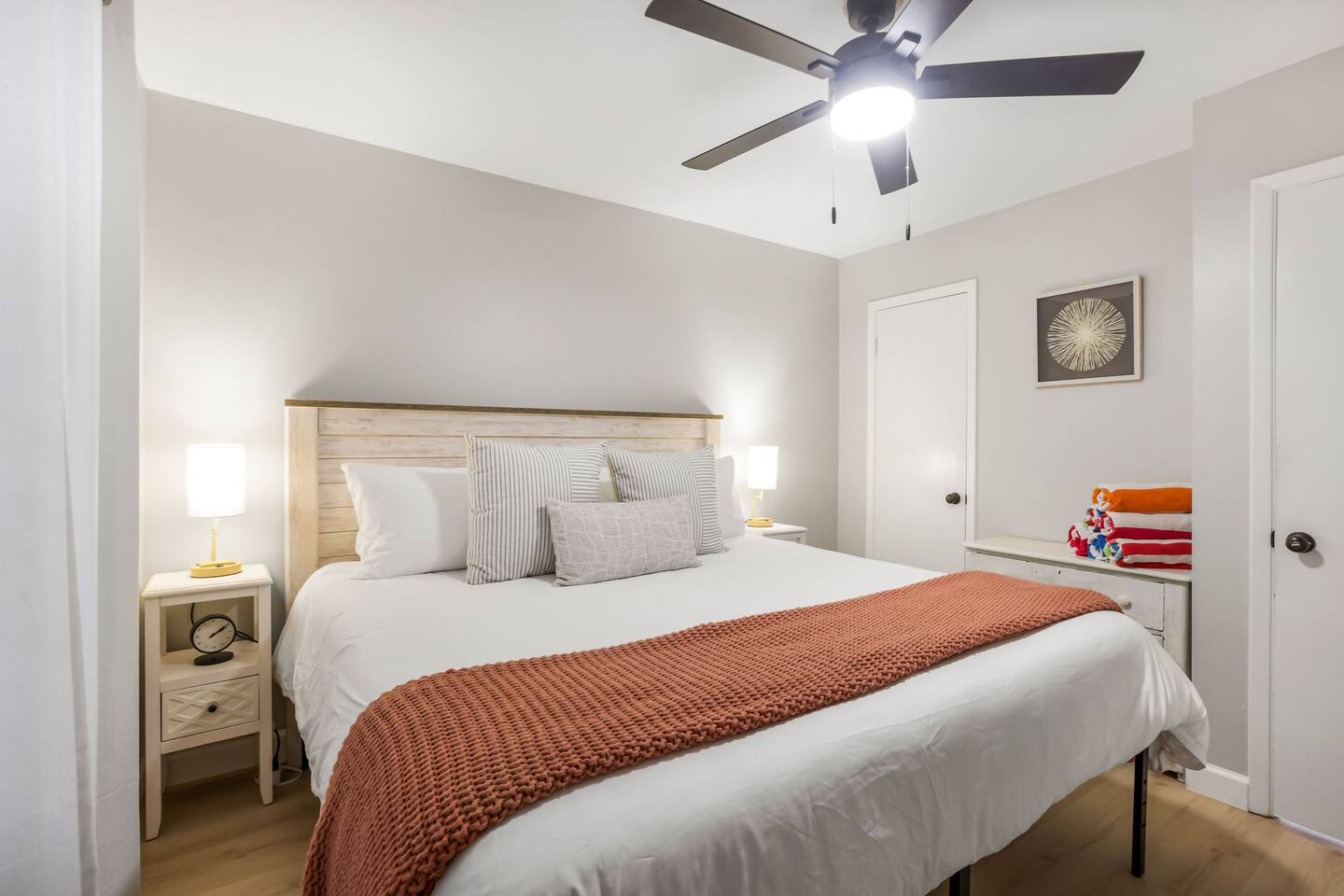
- a king bedroom
- fully equipped kitchen
- cozy living space
- private balcony with Gulf views
- close access to dining, mini golf, The Hangout, and family attractions
And this isn’t just a pretty property — Beachside Oasis is ranked in the Top 1% on Airbnb in Gulf Shores, which speaks volumes about the guest experience Steve is consistently delivering.
This is a great example of a host building around their guest avatar and leaning fully into what makes a family stay easier and more memorable.
Follow along: @sunsetandshoreproperties
Book direct: sunsetandshoreproperties.com





show comments
Hide comments